
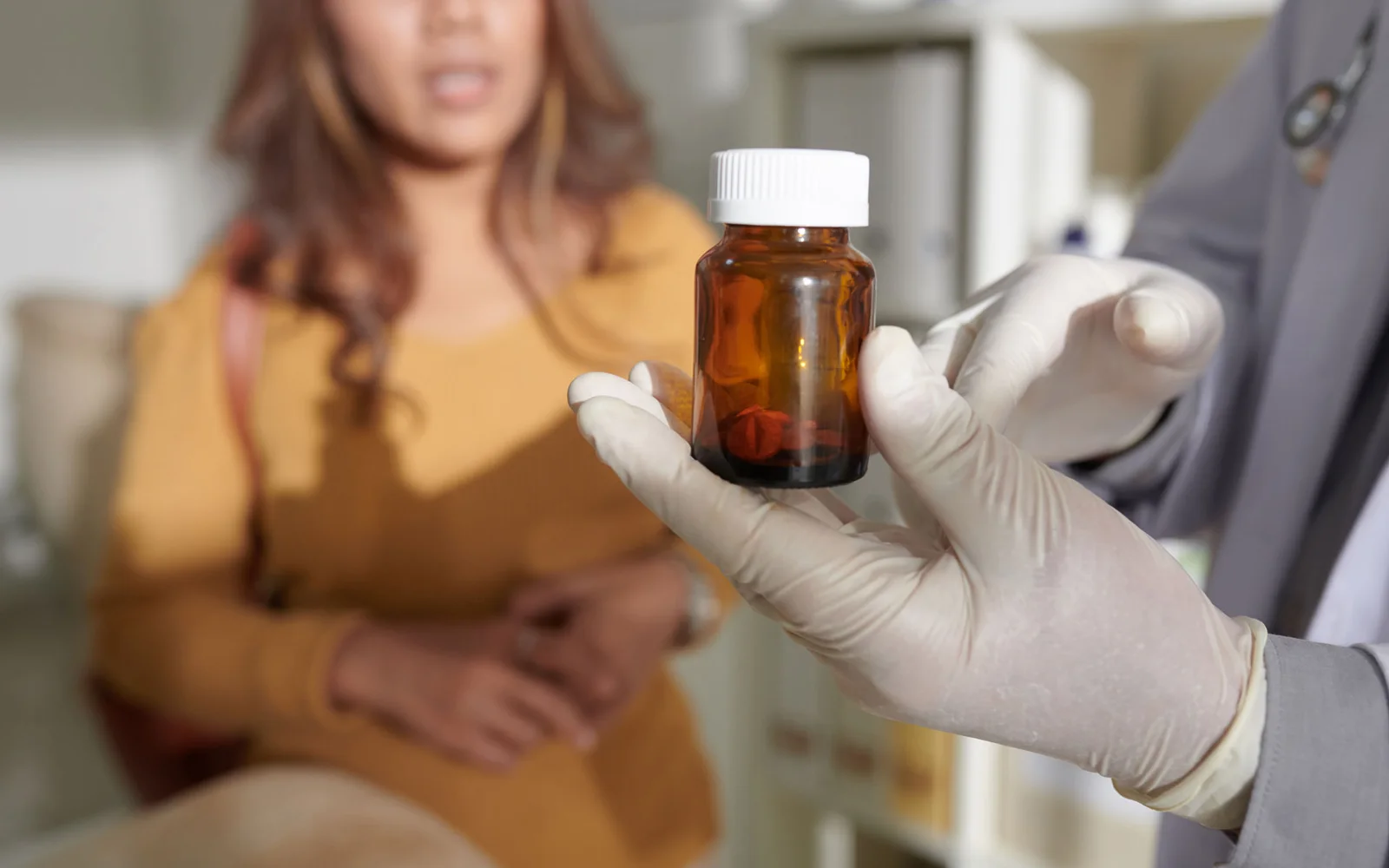
STD testing without symptoms can be an important part of preventive healthcare because many sexually transmitted infections may be present without causing noticeable signs. Whether you should be tested, which tests are appropriate, and when testing should occur depend on factors such as your sexual history, recent exposures, age, anatomy, pregnancy status, and individual risk factors. A healthcare provider can help you make informed decisions about screening even when you feel completely well.
Feeling healthy does not necessarily mean that a sexually transmitted infection can be ruled out. Some infections may cause symptoms that are mild or easy to overlook, while others can remain asymptomatic for extended periods. That makes preventive conversations about sexual health valuable even when nothing feels wrong.
For adults considering STD testing without symptoms, the most useful first step is often an open conversation with a healthcare provider. Rather than simply requesting every available STD test, patients can benefit from discussing their sexual history, the timing and type of possible exposure, previous test results, and whether testing from different areas of the body may be appropriate.
Timing also matters. Testing very soon after an exposure may not always detect an infection because some tests require time before they can reliably identify it. In other situations, prompt medical attention may be important because certain preventive treatments are time-sensitive.
For adults in Elmhurst, New York, discussing sexual health during a primary care or preventive health visit can provide an opportunity to receive individualized guidance without waiting for symptoms to appear. The goal is not to create unnecessary concern. It is to understand your health, make informed decisions, and identify infections that could otherwise remain unnoticed.
Why Should I Consider STD Testing If I Do Not Have Symptoms?
One of the most important questions to ask your provider is whether the absence of symptoms actually changes your need for testing. In many cases, symptoms are only one factor healthcare professionals consider when deciding whether screening is appropriate.
Some sexually transmitted infections can be present without causing obvious changes in how you feel. A person may have an infection while experiencing no pain, discharge, sores, irritation, or other signs that would normally prompt a medical visit. Symptoms can also vary significantly from person to person. When mild symptoms do occur, they may be mistaken for another health issue or disappear before someone decides to seek care.
For this reason, STD testing without symptoms is often guided by individual circumstances rather than by symptoms alone. Your healthcare provider may ask whether you have had a new sexual partner, multiple partners, sex without a barrier method such as a condom, or a partner who has recently been diagnosed with an infection. Your previous screening history can also influence recommendations.
The types of sexual contact you have had may matter as well. Oral, vaginal, and anal sexual activity can involve different potential exposure sites, which can influence the type of testing your provider recommends.
Routine primary care visits offer an opportunity to discuss these issues before a problem develops. You do not have to wait for pain, burning, sores, unusual discharge, or another symptom before asking questions about sexual health.
Screening can provide useful information for both your own healthcare and conversations with sexual partners. If an infection is found, your provider can explain treatment options, follow-up care, and steps that may reduce transmission. Ultimately, your sexual history, exposure risks, and preventive healthcare needs often provide more useful guidance than symptoms alone.
Which STD Tests Should I Ask My Provider About?
There is no single laboratory test that automatically checks for every sexually transmitted infection. When discussing STD testing without symptoms, ask your healthcare provider which infections are appropriate to screen for based on your personal history, sexual practices, and possible exposures.
Testing may involve several different approaches:
It is also important to ask exactly what a clinic means by an “STD panel.” Different healthcare settings may include different tests, so the phrase does not necessarily mean that every sexually transmitted infection is being checked.
Tell your provider what kinds of sexual contact you have had. A urine or genital test, for example, may not identify an infection located in the throat or rectum.
Personalized screening helps your healthcare provider select tests that are appropriate for your actual risk factors rather than ordering unnecessary testing or overlooking relevant exposure sites.
- Chlamydia and gonorrhea testing: These infections may be evaluated with a urine sample or swab. Depending on the type of sexual contact involved, testing of the throat, rectum, vagina, cervix, or urethra may sometimes be appropriate.
- HIV testing: HIV screening commonly involves a blood test, although several types of tests exist. Your provider can explain which test is being used and whether the timing of a recent exposure affects the result.
- Syphilis testing: Screening is generally performed using blood tests. Additional testing may be needed if the initial result requires confirmation or further evaluation.
- Hepatitis B and hepatitis C testing: Recommendations may depend on factors such as age, pregnancy, vaccination status, medical history, and potential exposure risks.
- Other infection-specific testing: Certain tests, including some forms of herpes testing, are not routinely recommended for every person without symptoms. Your provider can explain whether additional testing is likely to provide useful information in your situation.
How Soon After a Possible Exposure Should I Get Tested?
Timing is an important consideration when pursuing STD testing without symptoms. After a sexual encounter that causes concern, it is understandable to want testing immediately. However, testing too soon may not always provide a conclusive answer.
After an infection is acquired, there may be a period before a laboratory test can reliably detect it. This interval is often referred to as a window period. Different infections have different window periods, and even tests for the same infection may detect it at different times depending on the technology being used. That is why there is no single waiting period that applies to every STD.
When speaking with your provider, give the most accurate date possible for the exposure that concerns you. Your provider can determine whether testing now is appropriate and whether another test should be performed later. In some cases, an initial test may establish useful baseline information while a repeat test is recommended after enough time has passed for reliable detection.
It is also important to understand what a negative result means in relation to timing. A negative test may provide useful information about earlier exposures while still being too early to completely evaluate a very recent encounter.
Some situations should be discussed with a healthcare professional immediately rather than waiting for a testing window. For example, HIV post-exposure prophylaxis, commonly known as PEP, is a time-sensitive treatment that generally must be started within 72 hours of a potential HIV exposure.
You should also tell your provider if a sexual partner has recently received a positive STD result. A known exposure can affect recommendations regarding testing, treatment, and follow-up.
Instead of choosing a testing date based only on general information online, discussing your specific timeline with a healthcare professional can help you determine when testing is most useful and whether repeat screening is necessary.
Does the Type of Sexual Contact Affect Which Tests I Need?
Yes. The type of sexual contact you have had can directly affect which tests and sample locations may be appropriate. This is an important detail to discuss when considering STD testing without symptoms, because some infections can occur at specific parts of the body without causing noticeable signs.
Sexually transmitted infections are not limited to the genital area. Depending on the infection and type of contact, exposure may involve the throat, rectum, vagina, cervix, urethra, or other areas. A test performed at one site does not necessarily provide information about another potential site of infection.
For example, someone who has had oral sexual contact could potentially have an infection in the throat while experiencing no throat discomfort. Similarly, a person who has had receptive anal sex may have a rectal infection without pain, discharge, or other symptoms. In these situations, testing only a urine sample may not evaluate every relevant exposure site.
Healthcare providers do not need unrelated details about your private life, but accurate information about sexual practices can help them choose appropriate screening. You may be asked whether sexual contact involved the mouth, vagina, penis, or rectum and whether condoms or other barrier methods were used.
It is also useful to mention whether you have had new or multiple partners since your previous testing or whether a partner has recently informed you of an STD diagnosis.
Although discussions about sexual history can feel personal, this information is part of routine medical care. The purpose is to assess health risks, not to judge sexual behavior.
Testing decisions may also depend on your anatomy. People with different reproductive organs may have different screening recommendations regardless of how they identify their gender.
The goal is not to automatically test every body site. It is to identify the areas that could reasonably have been exposed so your provider can recommend testing that provides meaningful information.
What Questions Should I Ask My Provider Before STD Testing?
Preparing a few questions before your appointment can make STD testing without symptoms easier to understand and more useful. Instead of simply receiving a list of laboratory orders, you can leave the visit knowing what is being tested, why your provider recommends it, and what to expect afterward.
Consider asking your provider:
Being straightforward with your healthcare provider helps them give you more accurate guidance. If you do not understand why a test is being ordered or what a result means, ask for clarification. A productive sexual-health conversation should leave you with a clear understanding of your testing plan and next steps.
- Based on my sexual history, which infections should I be tested for? Your provider can personalize screening instead of relying on a standard panel that may not fit your circumstances.
- Is it too soon to test after my most recent sexual contact? The answer depends on the infection and type of test being used.
- Which body sites should be tested? Discuss oral, vaginal, or anal sexual contact so your provider can determine whether urine, blood, genital, throat, or rectal testing may be appropriate.
- Exactly which infections are included in the tests you are ordering? An “STD panel” does not necessarily include every sexually transmitted infection.
- When and how will I receive my results? Ask how the office communicates normal, positive, or unclear results.
- Will I need to repeat any tests if my results are negative? Repeat testing may sometimes be recommended if the original test was performed soon after an exposure.
- What should I do while waiting for my results? Your provider can discuss sexual activity, barrier protection, and whether any partners need to be informed immediately.
- How often should I be screened in the future? Testing frequency varies according to age, health history, sexual practices, and individual risk.
What Happens If My STD Test Is Positive Even Though I Feel Fine?
Receiving a positive STD result when you feel completely healthy can be unexpected, but the absence of symptoms does not mean that a laboratory result should be ignored. The next step is to discuss the result with your healthcare provider so you understand exactly what was detected and what treatment or follow-up may be necessary.
Management depends on the particular infection. Some bacterial sexually transmitted infections can be treated with prescription antibiotics, while viral infections may require a different approach that can include medication, monitoring, prevention planning, or ongoing medical care.
Your provider may also determine whether additional or confirmatory testing is needed. Some laboratory tests are designed as initial screening tests, and an abnormal or reactive result may require another test before the diagnosis is fully established.
You should ask whether you need to temporarily avoid sexual activity and when it is appropriate to resume. Your provider can also explain whether current or recent sexual partners should be notified, tested, or treated. Partner management can help reduce the chance of transmission or reinfection.
Follow-up recommendations vary. Depending on the infection, you may be advised to complete treatment and return for repeat testing, undergo screening again after a certain period, or continue routine monitoring.
Avoid taking leftover antibiotics or medications prescribed to another person. Correct treatment depends on the specific diagnosis, and inappropriate medication can delay proper care or make treatment more complicated.
A positive result can also be an opportunity to discuss future prevention. Your provider may talk with you about condoms, relevant vaccinations, HIV prevention strategies, or an appropriate routine screening schedule.
One of the main benefits of STD testing without symptoms is the opportunity to identify an infection before symptoms prompt a medical visit. Once an infection is identified, you and your healthcare provider can take appropriate steps to protect your health and reduce the possibility of transmission.
Frequently asked questions
Can you have an STD without any symptoms?
Yes. Some sexually transmitted infections can cause few or no noticeable symptoms, so feeling healthy does not necessarily rule out an infection. Your provider can help determine whether testing is appropriate based on your sexual history and individual risk factors.
Can I ask for STD testing during a regular checkup?
Yes. Sexual-health screening can be discussed as part of routine preventive healthcare even when you do not have symptoms. Tell your provider about recent exposures, new partners, or other changes that may affect which tests are appropriate.
Does a negative STD test mean I definitely do not have an infection?
Not always. The meaning of a negative result can depend on when the test was performed, which infections were tested for, and which body sites were evaluated. Your provider can tell you whether repeat testing is necessary after a recent exposure.
You do not have to wait for symptoms to start a conversation about your sexual health. If you are considering STD testing without symptoms, Moon Adult Health can help you understand which tests may be appropriate based on your health history, sexual practices, and possible exposures. If you are looking for personalized adult healthcare in Elmhurst, New York, contact Moon Adult Health to discuss STD screening, preventive care, and your sexual-health questions with a healthcare provider.